
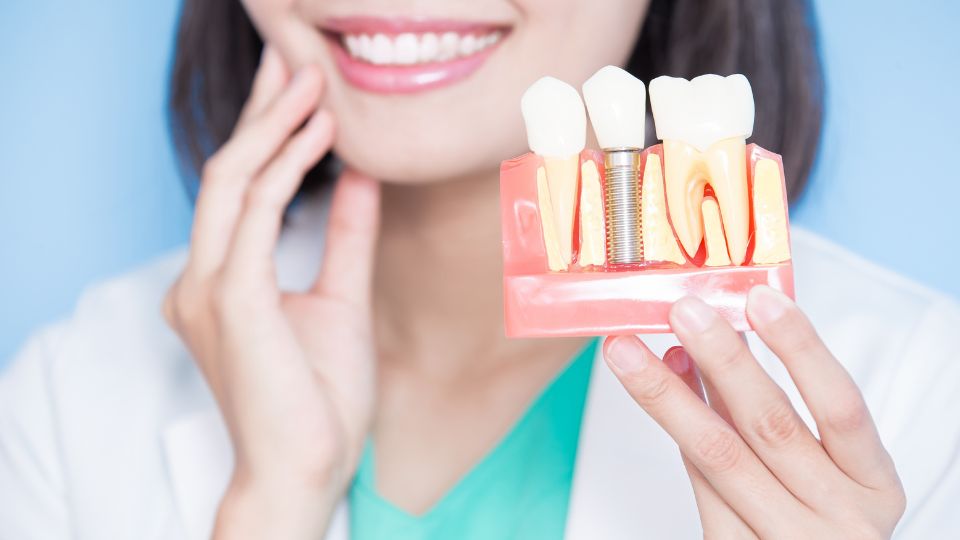
Missing teeth can affect more than the appearance of your smile. Tooth loss may make eating and speaking more difficult and can affect the way your remaining teeth function.
Fortunately, there are several ways to replace missing teeth, including dental implants, bridges and dentures. The right option depends on your oral health, the number of teeth missing and your individual needs.
At Pinewood Dental Group, we provide personalised restorative dental care in Mount Waverley and can help you understand the options available for replacing missing teeth.
What Are Your Options for Replacing Missing Teeth?
There isn’t one tooth replacement solution that is suitable for everyone. Your dentist will consider your oral health, remaining teeth, gums and the location and number of missing teeth when recommending treatment.
The main options include dental implants, bridges and dentures.
Dental Implants
Dental implants are designed to replace the root of a missing tooth. An implant is placed into the jawbone and can support a custom-made crown once the area has healed.
For suitable patients, an implant-supported restoration can provide a fixed option for replacing an individual missing tooth.
Learn more about implant crowns and how they can be used to restore missing teeth.
Dental Bridges
A dental bridge replaces one or more missing teeth using neighbouring teeth for support. Bridges are fixed in place and can restore chewing function while filling a gap in your smile.
Our crowns and bridges page provides more information about this treatment option.
Dentures
Dentures are removable appliances designed to replace missing teeth. Depending on your needs, you may require partial or full dentures.
Read more about custom dentures and how they can restore your ability to eat, speak and smile comfortably.
Why Should You Consider Replacing a Missing Tooth?
A missing tooth can affect the way your teeth work together. Depending on where the tooth was lost, surrounding teeth may move into the space, potentially affecting your bite and making certain areas more difficult to clean.
Tooth loss can also affect chewing and speech.
If you’ve been living with a gap for some time, our guide to what happens if you don’t replace a missing tooth explains some of the potential effects of leaving tooth loss untreated.
Dental Implants, Bridges or Dentures: Which Is Right for You?
Each option has different advantages and considerations.
Dental implants are fixed restorations supported by an implant placed into the jawbone. Bridges are fixed restorations supported by neighbouring teeth, while dentures are removable appliances that can replace several missing teeth or a complete arch.
If you’re comparing these options, read our guide to dental implants vs bridges vs dentures.
If you’re specifically deciding between implants and dentures, our guide to dental implants vs dentures may also help you understand the differences.
How Long Do Dental Implants Last?
Dental implants are designed as a long-term tooth replacement option, but their longevity depends on factors such as oral hygiene, gum health, lifestyle and ongoing dental care.
The implant and the crown it supports are separate components, and the crown may experience normal wear over time.
If you’re considering implants, read our guide to how long dental implants last to learn more about maintenance and factors that may affect their longevity.
What Factors Affect Your Treatment Options?
Before recommending tooth replacement treatment, your dentist may consider:
- The number of missing teeth
- The location of the missing teeth
- The health of your remaining teeth
- Your gum health
- The condition of your jawbone
- Your overall oral health
- Your treatment preferences
- Your long-term dental goals
In some situations, more than one treatment option may be suitable.
What Happens Before Tooth Replacement Treatment?
Your dentist will first examine your teeth, gums and the area affected by tooth loss.
Depending on the treatment being considered, X-rays or other diagnostic imaging may be recommended. Your dentist can then explain your options, the treatment process and ongoing maintenance requirements.
The goal is to develop a treatment plan that is appropriate for your oral health and individual circumstances.
Caring for Replacement Teeth
Replacing a missing tooth does not remove the need for good oral hygiene.
Continue brushing twice daily, cleaning between your teeth and attending regular dental examinations. Your dentist can also provide specific advice for caring for implants, bridges or dentures.
Maintaining healthy gums is particularly important when caring for dental restorations. If you have concerns about your gums, learn more about gum disease treatment.
Talk to Pinewood Dental Group About Your Options
If you’re missing one or more teeth and aren’t sure which replacement option is right for you, a dental consultation can help.
Pinewood Dental Group provides personalised restorative dental care in Mount Waverley, helping patients understand their treatment options and make informed decisions about their oral health.
Considering your options for replacing missing teeth? Book a consultation with our dental team. We proudly care for patients in Mount Waverley and surrounding suburbs.
