
Dental implants are designed to provide a long-term solution for replacing missing teeth. However, many patients considering implant treatment want to know how long dental implants can last and what they can do to protect their investment.
The lifespan of dental implants can vary depending on your oral health, lifestyle, dental hygiene and ongoing care.
Understanding these factors can help you maintain your implant and surrounding teeth for as long as possible.
What Is a Dental Implant?
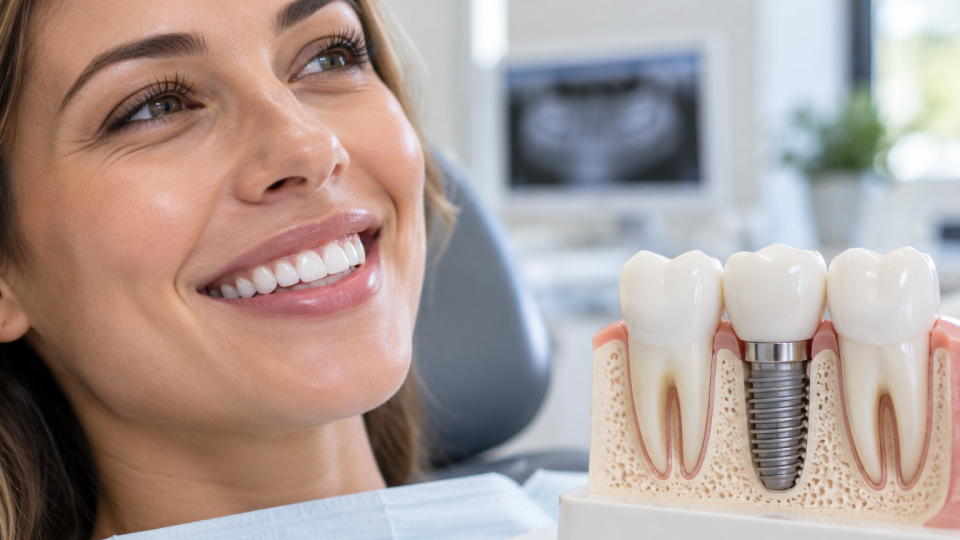
A dental implant is designed to replace the root of a missing tooth. It is placed into the jawbone and can support a custom-made crown once the area has healed.
The implant provides support for the restoration, while the crown is the visible part designed to restore the appearance and function of the missing tooth.
Learn more about implant crowns at Pinewood Dental Group.
How Long Do Dental Implants Last?
Dental implants are designed as a long-term tooth replacement option. However, there is no guaranteed lifespan that applies to every patient.
The implant itself and the crown attached to it are separate components. While the implant is designed to remain in place long term, the crown can experience normal wear and may eventually require repair or replacement.
How long your dental implant lasts can depend on factors including your oral hygiene, gum health, lifestyle and regular dental care.
What Can Affect How Long Dental Implants Last?
Several factors can influence the longevity of dental implants.
Oral Hygiene
Good oral hygiene is essential for maintaining the health of your implant and surrounding tissues.
Brush your teeth twice a day, clean between your teeth and follow your dentist’s recommendations for caring for your restoration.
Gum Health
Healthy gums are important for supporting your teeth and dental restorations.
If you have bleeding, swollen or receding gums, speak with your dentist. Our gum disease treatment page provides more information about maintaining healthy gums.
Teeth Grinding and Clenching
Grinding or clenching your teeth can place additional pressure on your teeth and dental restorations.
If you grind your teeth, your dentist may recommend a custom mouthguard or splint to help protect your teeth. Learn more about mouthguards and splint therapy.
Smoking
Smoking can negatively affect your oral health and may affect healing following dental treatment.
If you smoke and are considering dental implants, discuss your individual circumstances with your dentist.
Regular Dental Check-Ups
Dental implants still require ongoing professional care.
Regular dental check-ups and cleans allow your dentist to monitor your implant, crown, gums and surrounding teeth and identify potential concerns early.
Does the Implant Crown Last as Long as the Implant?
Not necessarily.
The implant and the crown are separate parts of the restoration. The implant is placed into the jawbone, while the crown sits above the gum and is exposed to everyday chewing forces.
Over time, the crown may become worn or damaged and may need to be repaired or replaced.
This does not necessarily mean that the dental implant itself needs to be replaced.
How Can You Make Your Dental Implants Last Longer?
Good daily habits and regular professional care can help protect your dental implant.
To maintain your implant and surrounding teeth:
- Brush twice a day with fluoride toothpaste
- Clean between your teeth every day
- Attend regular dental check-ups and cleans
- Maintain healthy gums
- Follow your dentist’s implant care instructions
- Avoid chewing excessively hard objects
- Discuss teeth grinding or clenching with your dentist
- Avoid smoking where possible
Are Dental Implants Suitable for Everyone?
Dental implants aren’t suitable for every patient.
Before recommending implant treatment, your dentist will assess your teeth, gums and jawbone, as well as your overall oral health.
The number and location of missing teeth will also be considered when determining which treatment options may be appropriate.
If you’re looking for alternatives to implants, you may also wish to consider custom dentures or crowns and bridges.
Our missing teeth treatment page provides more information about the different options available for replacing missing teeth.
What If You Don't Replace a Missing Tooth?
If you’re considering dental implants because you’ve lost a tooth, it’s worth understanding the potential effects of leaving a gap untreated.
Depending on the location of the missing tooth, surrounding teeth may shift into the space. Tooth loss can also affect chewing and your bite.
Read our guide to what happens if you don’t replace a missing tooth to learn more.
Dental Implants vs Other Tooth Replacement Options
Dental implants aren’t the only way to replace missing teeth.
Depending on your circumstances, your dentist may discuss dental bridges or dentures as alternatives.
If you’re comparing your options, read our guide to dental implants vs bridges vs dentures to understand how these treatments differ.
You can also read our guide to dental implants vs dentures if you’re deciding between these two options.
How Can Pinewood Dental Group Help?
Choosing a tooth replacement option is an important decision. Your dentist can assess your oral health and explain the treatment options that may be appropriate for your individual circumstances.
At Pinewood Dental Group, we provide personalised dental care in Mount Waverley and can help you understand your options for replacing missing teeth.
For a broader overview of your options, read our guide to dental implants and tooth replacement.
Considering dental implants to replace a missing tooth? Contact Pinewood Dental Group to arrange a consultation and discuss your tooth replacement options with our dental team. We proudly provide personalised dental care for patients in Mount Waverley and surrounding suburbs.